Is It Safe to Store an Open Can in the Fridge? Experts Explain
We consulted food safety experts to settle the debate about leftover canned food storage.

Fresh vs. Frozen Berries: Which Makes the Better Smoothie?
We blended our way through 30 smoothies to settle the fresh vs. frozen fruit debate.
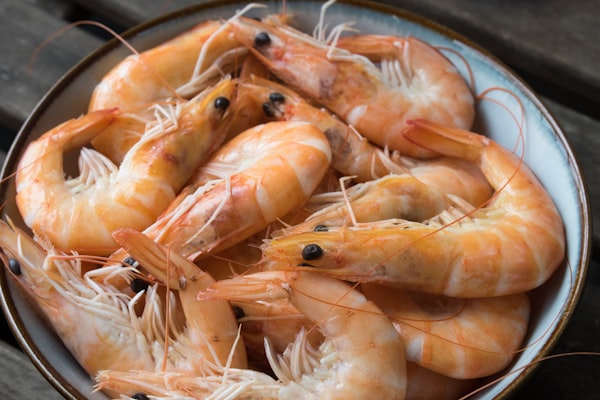
The Simple Trick That Keeps Shrimp Plump and Snappy
A brief brine in baking soda changes the texture of shrimp at a molecular level.
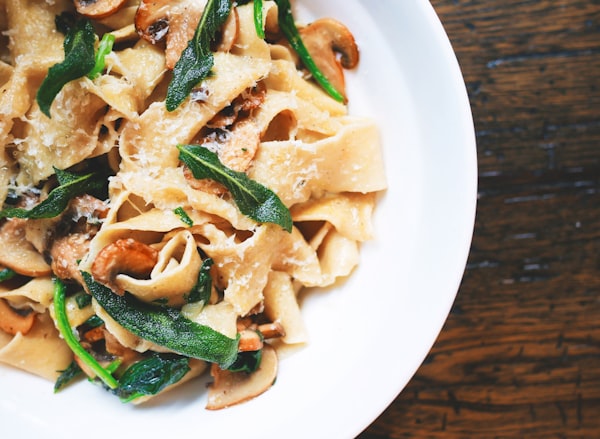
Maillard Reaction: The Science Behind Browning and Flavor
The chemical reaction that creates the flavor of toasted bread, seared steak, and roasted coffee.
MSG Demystified: What It Is, What It Does, and Why You Should Use It
The most misunderstood ingredient in your pantry is also one of the most powerful.

Should You Wash Chicken Before Cooking? The Answer Is No
Washing raw poultry spreads bacteria. Here's what food safety experts want you to know.
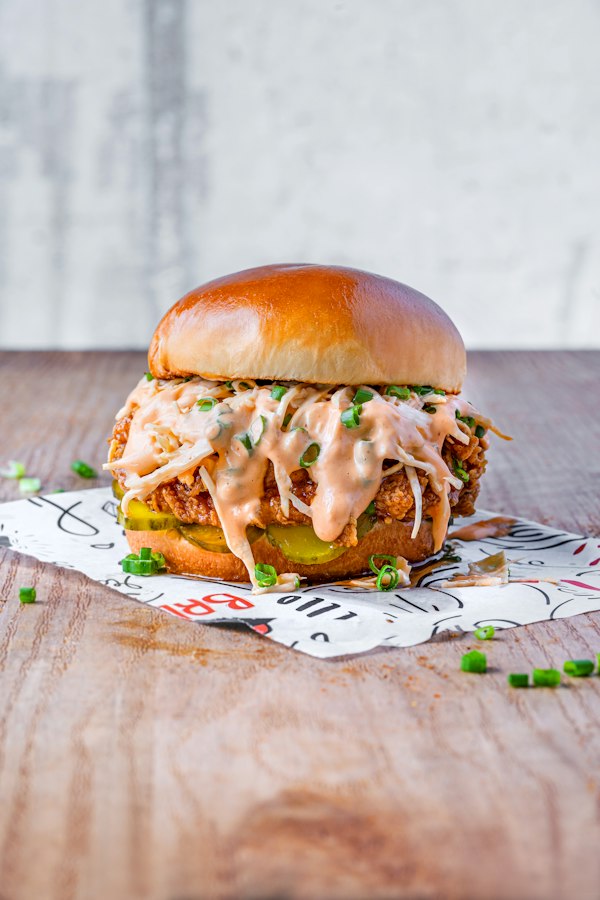
How Yeast Works: The Biology Behind Rising Dough
Understanding the tiny organisms that turn flour and water into bread.
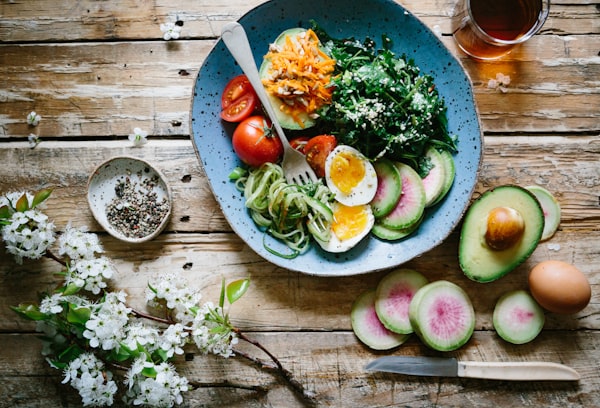
Does Cooking Vegetables Destroy Their Nutrients? It's Complicated
Some cooking methods boost nutrition, others destroy it. We break down the science.
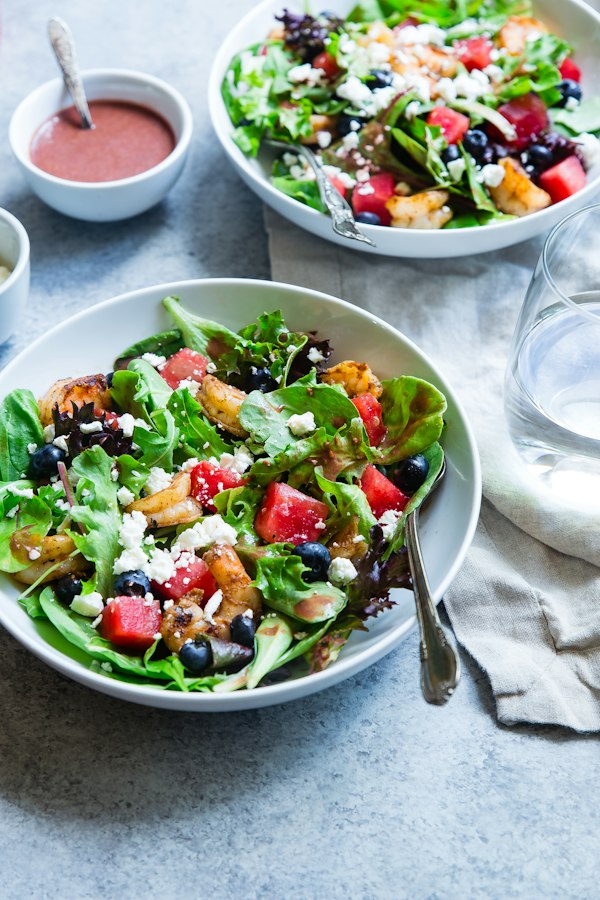
We Taste-Tested 17 Vanilla Ice Creams to Find the Best
From premium pints to store brands, our blind taste test reveals the creamiest, richest option.
Caramelization vs. Maillard Reaction: What's the Difference?
Both create browning and flavor, but they're completely different chemical processes. Here's the breakdown.
Kosher vs. Sea vs. Table Salt: When Does It Matter?
Not all salts are created equal. We measured, weighed, and tasted to settle the salt debate.
The Danger Zone: Why 40-140°F Is the Temperature to Avoid
Bacteria multiply rapidly in this temperature range. Here's how to keep your food safe.
Sous Vide Cooking: Does It Actually Preserve More Nutrients?
Precision cooking at low temperatures may be the most nutrient-preserving method. We look at the science.
Why Does Cilantro Taste Like Soap to Some People?
It's not pickiness—it's genetics. The OR6A2 gene turns fresh cilantro into dish soap for millions.
The Role of Sugar in Bread: More Than Just Sweetness
Sugar feeds yeast, browns crust, and extends shelf life. Remove it and your bread changes dramatically.
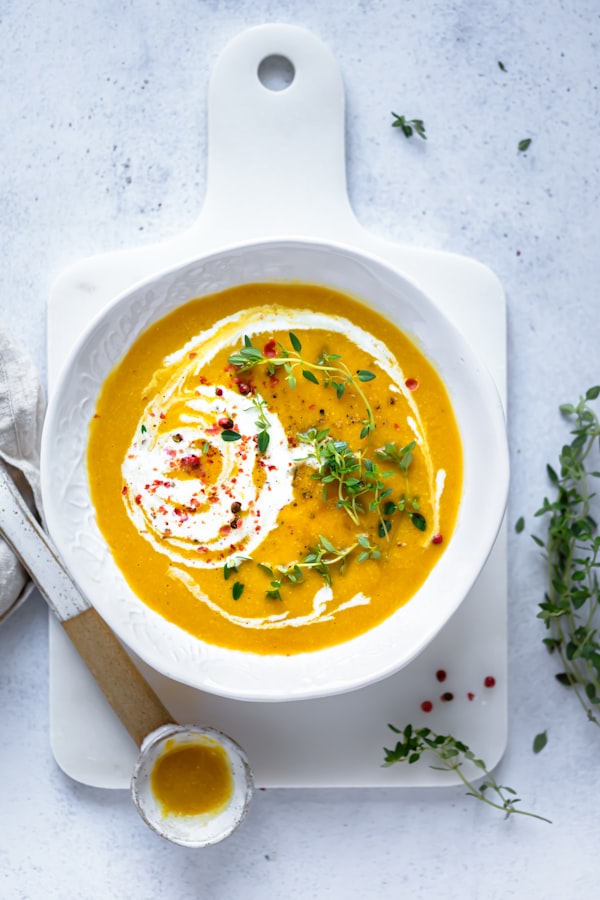
Emulsification Explained: Why Oil and Water Can Mix
From mayonnaise to vinaigrette, emulsifiers are the secret to silky, stable sauces.
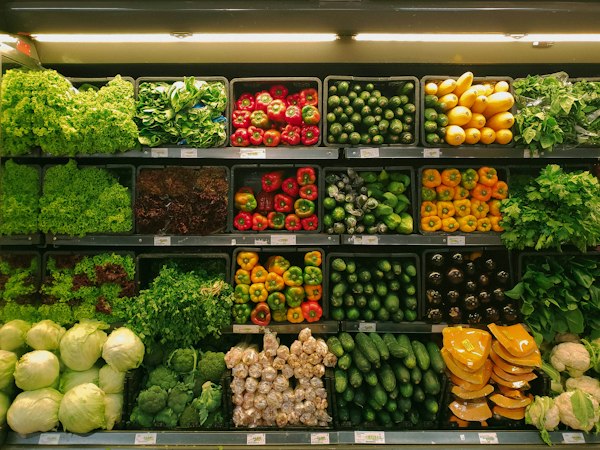
Cross-Contamination: How to Keep Your Kitchen Safe
Cutting boards, knives, and sponges can spread bacteria. Here's the science-backed guide to staying safe.
Does Cooking Destroy Vitamin C? The Truth About Heat and Nutrients
Some vitamins are heat-sensitive, others are not. A detailed breakdown of what survives cooking.

Lactic Acid Fermentation: The Science Behind Sauerkraut and Kimchi
How bacteria transform cabbage into tangy, probiotic-rich fermented foods.
Why Eggs Are the Most Versatile Ingredient in Your Kitchen
Binding, leavening, emulsifying, thickening—eggs do it all. Here's the science behind each role.
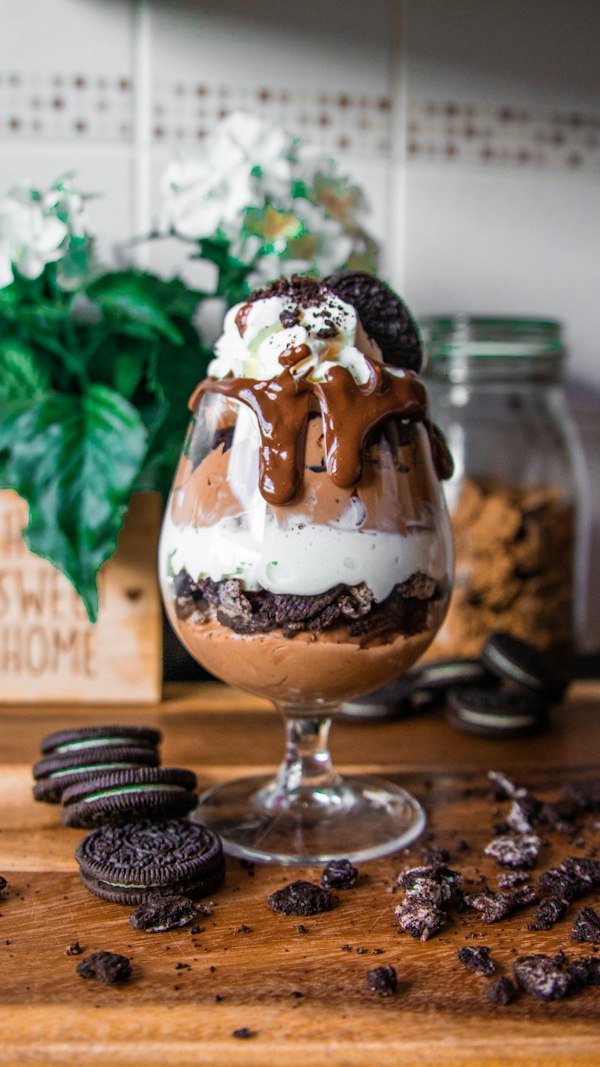
We Tested 12 Sea Salts—Here's Which Ones Are Worth It
From Maldon to Himalayan pink, our blind taste test reveals surprising differences in flavor and texture.

The Safe Cooking Temperatures Every Cook Should Memorize
Chicken, pork, beef, fish—exact temperatures for food safety, explained by the science of pathogen kill rates.
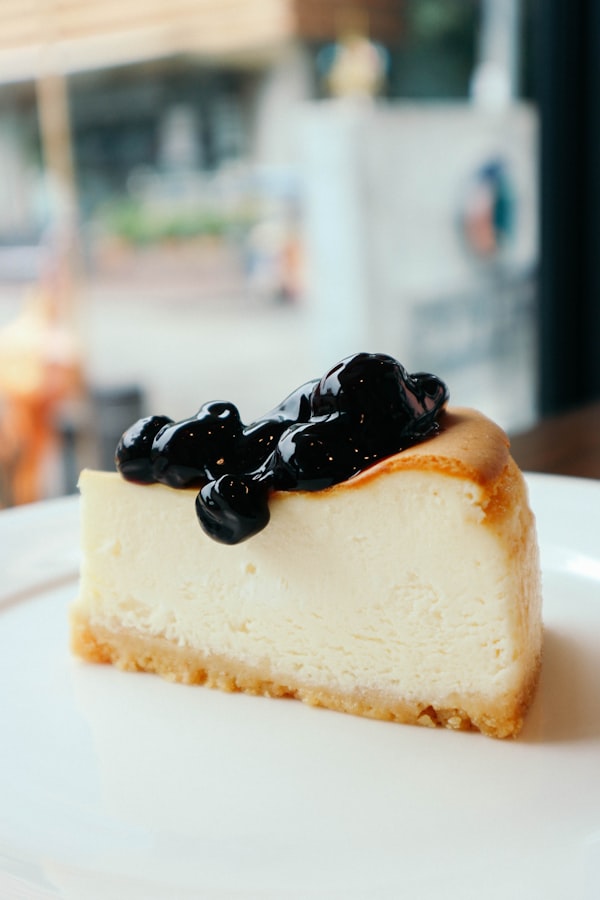
Acid vs Base: How pH Changes the Way Food Tastes and Cooks
Why a squeeze of lemon brightens a dish, and why baking soda browns your pretzels.
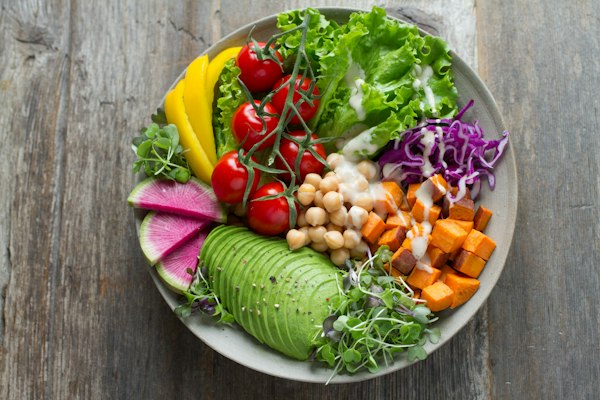
Resistant Starch: The Fiber You Didn't Know You Were Eating
Cooled rice and potatoes contain more resistant starch. Here's why that matters for gut health.
Active Dry vs Instant vs Fresh Yeast: What's the Difference?
Three types of yeast, three different behaviors. Our guide to choosing the right one for your bake.
European-Style vs American Butter: Can You Taste the Difference?
Higher fat content means richer flavor and flakier pastry. We tasted 8 brands to find the best.
Why Resting Meat Makes It Juicier
Carryover and redistribution, explained with a thermometer.
The Truth About Nonstick Pans and Teflon Safety
What the coatings are, and when (not) to worry.

Why Onions Make You Cry (and How to Stop It)
The enzyme cascade behind the sting, plus three fixes.
Does Marinating Actually Tenderize Meat?
Where marinades penetrate—and where they don't.
Are Frozen Vegetables as Nutritious as Fresh?
The cold-chain case for keeping your freezer stocked.
Butter vs Margarine: What's Really Different
Fat structure, flavor, and when each belongs in the pan.

How We Blind Taste Test at Flavor Quest
Our protocol for removing bias from every ranking.
Why Expensive Olive Oil Tastes Different
Varietal, harvest date, and freshness over a pretty label.
The Role of Acid in Balancing Flavor
Brightness as a tool, not just a finishing squeeze.
Cross-Contamination: The Kitchen Habit to Break
The board, the tongs, and the simple fixes that matter.